
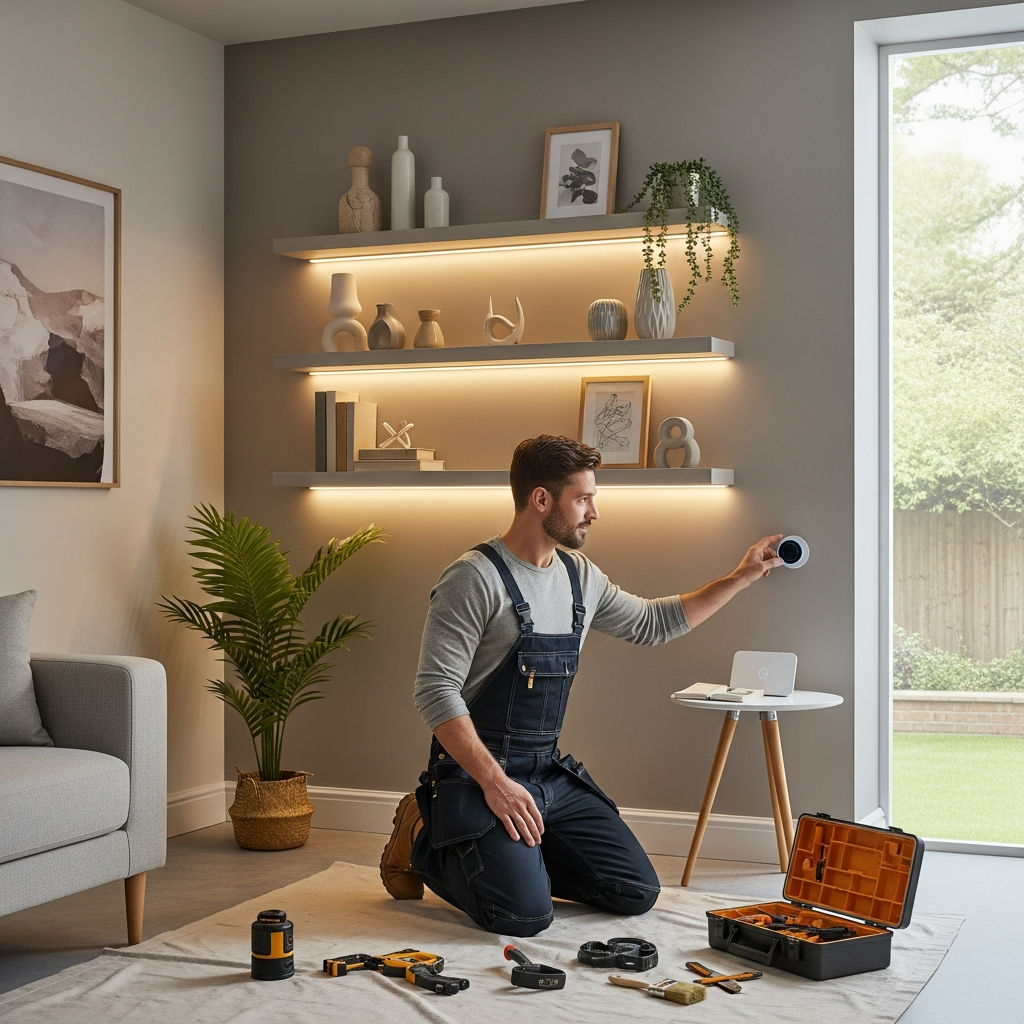
21 Advanced Tips to Improve Your Home Improvement
Home improvement is more than just a weekend project or a quick coat of paint. For the discerning homeowner, it is a strategic investment in comfort, sustainability, and long-term property value. While basic DIY tips cover the fundamentals, advanced home improvement requires a deeper understanding of building science, interior design principles, and high-end technology integration.
Whether you are preparing for a major remodel or looking to refine your living space, these 21 advanced tips will help you elevate your home from standard to extraordinary. Here is how to approach your next project like a professional developer.
Advanced Efficiency and Structural Upgrades
1. Conduct a Professional Thermal Imaging Audit
Before investing in cosmetic upgrades, understand your home’s envelope. A professional thermal imaging audit identifies heat loss, hidden moisture, and insulation gaps that the naked eye cannot see. Fixing these issues first ensures your home is energy-efficient and structurally sound.
2. Upgrade to Closed-Cell Spray Foam Insulation
Standard fiberglass batts often leave gaps. Advanced homeowners opt for closed-cell spray foam. It provides a superior R-value per inch and acts as a vapor barrier, significantly reducing energy costs and strengthening the structural integrity of your walls.
3. Install a Tankless Recirculating Water Heater
Moving beyond standard water heaters, a tankless system with a built-in recirculating pump provides instant hot water at every tap. This reduces water waste and provides an endless supply, which is essential for high-end master suites with multi-head showers.
4. Invest in Triple-Pane High-Performance Windows
If you are replacing windows, skip the double-pane and go for triple-pane glass with Krypton or Argon gas fills. These windows offer incredible acoustic insulation and thermal performance, making your home feel significantly quieter and more regulated.
Sophisticated Interior Design and Finishes
5. Implement Layered Lighting Design
Amateurs use one overhead light; pros use layers. Incorporate ambient, task, and accent lighting. Use LED strip lighting in toe-kicks, cove moldings, and inside cabinets to create depth and a high-end architectural feel.
6. Focus on High-End Hardware and “Touchpoints”
The items you touch every day—doorknobs, cabinet pulls, and light switches—should feel substantial. Replace hollow, builder-grade hardware with solid brass or forged steel. Brands like Rocky Mountain Hardware or Baldwin offer a tactile luxury that elevates the entire room.
7. Use Full-Slab Backsplashes
Moving away from traditional tile and grout, advanced kitchen design utilizes full-slab backsplashes that match the countertops. Using a single piece of marble, quartzite, or porcelain creates a seamless, museum-like aesthetic that is also much easier to clean.
8. Install Floor-to-Ceiling Millwork
Standard crown molding is a start, but floor-to-ceiling wainscoting, shiplap, or custom library shelving adds a level of sophistication that defines a luxury home. It creates architectural interest in otherwise “flat” rooms.
9. Opt for Quartzite Over Marble
While marble is beautiful, it is porous and prone to staining. Advanced renovators often choose Quartzite—a natural stone that is harder than granite but offers the elegant veining of marble. It provides the perfect balance of luxury and durability.
Smart Home Integration and Tech
10. Hardwire for Mesh Wi-Fi and Smart Hubs
A truly smart home shouldn’t rely solely on wireless signals that can drop. During a renovation, run Cat6e cables to every room. This allows for a hardwired mesh Wi-Fi system and dedicated ports for smart TVs and gaming consoles, ensuring zero-latency connectivity.
11. Install an Invisible Sound System
Move beyond bulky speakers. Advanced audio solutions involve “invisible” in-wall speakers that are plastered over and painted. They provide high-fidelity sound throughout the home without compromising the minimalist interior design.

12. Centralized Smart Lighting Control
Instead of banks of five or six light switches, use a centralized system like Lutron Homeworks or Control4. This allows you to have a single, elegant keypad that controls “scenes” (e.g., “Dinner Party,” “Movie Night,” or “All Off”).
13. Integrated Smart HVAC Zoning
Standard homes have one thermostat for the whole house. Advanced improvement involves installing motorized dampers in your ductwork to create multiple zones. This allows you to heat or cool the master bedroom differently than the guest wing, saving energy and increasing comfort.
Kitchen and Bath Mastery
14. Incorporate a “Scullery” or Hidden Pantry
The modern trend in high-end homes is the “messy kitchen” or scullery. This is a secondary kitchen space where prep work and dishwashing happen, leaving the main kitchen island clean and ready for entertaining guests.
15. Transition to Induction Cooktops
While gas was once the gold standard, advanced chefs are moving toward induction. It offers more precise temperature control, boils water faster, and keeps the kitchen cooler. Plus, the flat glass surface integrates perfectly into modern minimalist designs.
16. Build a Wellness-Focused Master Bath
Transform your bathroom into a spa. This includes installing a steam shower with aromatherapy capabilities, radiant floor heating (even in the shower bench), and a chromotherapy lighting system to help regulate your circadian rhythm.
Outdoor Living and Curb Appeal
17. Use Permeable Pavers for Driveways
Advanced landscaping focuses on sustainability. Permeable pavers allow rainwater to soak into the ground rather than creating runoff. They are more eco-friendly and prevent the cracking often seen with solid concrete slabs.
18. Create an “Outdoor Room” Infrastructure
A patio is just a space; an outdoor room has infrastructure. This means running gas lines for permanent fire pits, plumbing for outdoor sinks, and electrical for infrared heaters so the space can be used year-round.
19. Focus on Native and Low-Maintenance Landscaping
Avoid the “thirsty” lawn. Advanced homeowners use xeriscaping or native plants that thrive in their specific climate without excessive watering. This creates a lush look that is environmentally responsible and easier to maintain.
Strategic Execution and Project Management
20. Master the “Order of Operations”
The biggest mistake in home improvement is doing things out of order. Always handle structural, electrical, and plumbing “rough-ins” before any cosmetic work. Never install flooring before the ceiling is painted, and never install cabinets before the walls are level.
21. Prioritize ROI-Positive Upgrades
Always keep resale in mind. While a dedicated home theater is nice, a functional home office or an accessory dwelling unit (ADU) typically offers a much higher return on investment. Evaluate every project based on how it adds to your lifestyle today and your equity tomorrow.
Conclusion
Improving your home at an advanced level requires a marriage of technical skill and aesthetic vision. By focusing on the “bones” of the house—efficiency, smart integration, and high-quality materials—you create a living environment that is as functional as it is beautiful. Start with the upgrades that provide the most significant impact on your daily comfort, and move outward to the decorative flourishes that make your home uniquely yours.
About the Author


