
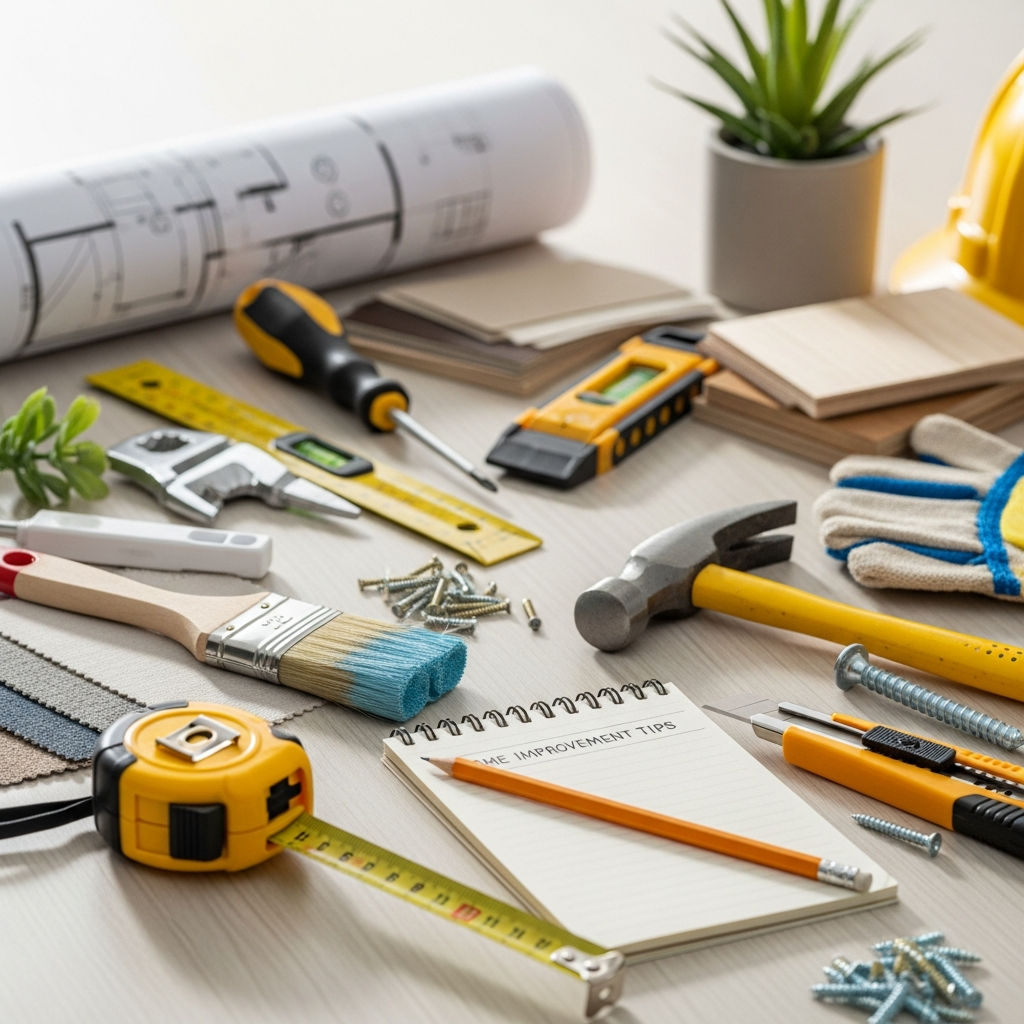
47 Effective Tips to Improve Your Home Improvement Projects
Home improvement is more than just a way to increase the market value of your property; it is about creating a space that reflects your personality, improves your quality of life, and ensures long-term comfort. Whether you are planning a full-scale renovation or looking for small weekend projects, strategic planning is essential. To help you navigate this journey, we have compiled 47 effective tips to improve your home improvement efforts, ranging from high-ROI kitchen updates to essential maintenance tasks.
Kitchen and Bathroom Enhancements for Maximum ROI
The kitchen and bathroom are often considered the “heart” and “engine” of the home. Improvements here typically offer the highest return on investment (ROI).
- 1. Reface or Paint Cabinets: If your cabinet boxes are in good shape, painting or refacing them is significantly cheaper than a full replacement.
- 2. Update Cabinet Hardware: Swapping out old knobs and pulls for modern matte black or brushed gold finishes can instantly modernize a room.
- 3. Install a New Backsplash: A subway tile or mosaic backsplash adds texture and protects walls from moisture and grease.
- 4. Upgrade the Faucet: A high-arc pull-down faucet adds functionality and a touch of luxury to your kitchen sink.
- 5. Add Under-Cabinet Lighting: LED strip lights improve visibility for food prep and create a warm ambiance at night.
- 6. Deep Clean Your Grout: Use a steam cleaner or professional-grade grout whitener to make old bathroom tiles look brand new.
- 7. Replace the Vanity: A modern floating vanity can make a small bathroom feel much more spacious.
- 8. Install a High-Efficiency Showerhead: This saves water and provides a more consistent, rain-like pressure.
- 9. Swap the Mirror: Replace builder-grade mirrors with framed versions that match your bathroom’s aesthetic.
- 10. Improve Ventilation: Ensure your bathroom fan is powerful enough to prevent mold and mildew growth.
Interior Living Spaces: Aesthetics and Comfort
Your living room and bedrooms are where you relax. Improving these spaces focuses on comfort, light, and visual flow.
Painting and Wall Treatments
- 11. Choose Neutral Tones: Whites, beiges, and soft greys make rooms feel larger and provide a blank canvas for decor.
- 12. Use Accent Walls: A single wall with bold paint or wallpaper can create a focal point without overwhelming the room.
- 13. Add Crown Molding: Architectural details like molding or wainscoting add a sophisticated, high-end feel.
- 14. Patch and Sand: Before painting, ensure every hole and crack is filled and sanded for a professional finish.
Flooring and Lighting
- 15. Refinish Hardwood Floors: Instead of replacing them, sanding and restaining can breathe new life into old wood.
- 16. Use Area Rugs: Rugs define spaces in open-plan homes and protect high-traffic flooring areas.
- 17. Layer Your Lighting: Combine ambient, task, and accent lighting to create a balanced atmosphere.
- 18. Install Dimmer Switches: These allow you to adjust the mood and save energy simultaneously.
- 19. Replace Old Outlets and Switches: Modern, clean-looking wall plates make a subtle but noticeable difference.
- 20. Declutter Strategically: Home improvement isn’t just about adding; it’s about removing. Clear surfaces make rooms feel more expensive.
Boosting Curb Appeal and Outdoor Living
First impressions matter. The exterior of your home sets the tone for everything inside.
- 21. Paint the Front Door: A bold color like navy blue or sage green makes your home stand out.
- 22. Upgrade House Numbers: Modern, easy-to-read numbers improve aesthetics and help emergency services or delivery drivers.
- 23. Install Path Lighting: Solar or low-voltage LED lights along walkways improve safety and nighttime charm.
- 24. Pressure Wash Everything: Clean your driveway, siding, and deck to remove years of built-up grime.
- 25. Maintain Your Lawn: Consistent mowing, edging, and weeding are the foundations of curb appeal.
- 26. Add Mulch to Garden Beds: Fresh mulch provides a clean look and helps soil retain moisture.
- 27. Plant Perennials: Unlike annuals, perennials come back every year, saving you money and effort over time.
- 28. Clean Your Gutters: Preventing water damage starts with ensuring gutters are free of debris.
- 29. Create an Outdoor Living Space: A simple fire pit or a set of comfortable chairs can turn a backyard into an extra room.
- 30. Repair the Mailbox: A leaning or rusted mailbox can detract from an otherwise beautiful front yard.
Energy Efficiency and Sustainability
Improving your home’s efficiency reduces utility bills and increases the long-term sustainability of the property.
- 31. Install a Smart Thermostat: Devices like Nest or Ecobee learn your habits and optimize heating and cooling.
- 32. Seal Air Leaks: Use caulk or weatherstripping around windows and doors to prevent drafts.
- 33. Add Attic Insulation: Proper insulation is one of the most cost-effective ways to lower energy bills.
- 34. Switch to LED Bulbs: They last longer and use significantly less electricity than traditional bulbs.
- 35. Install Ceiling Fans: Fans help circulate air, making rooms feel cooler in summer and warmer in winter.
- 36. Upgrade to Energy Star Appliances: Look for the label when replacing old refrigerators or dishwashers.
- 37. Install Low-Flow Toilets: Modern designs use far less water without sacrificing flushing power.
- 38. Use Blackout Curtains: These help regulate room temperature by blocking out intense sunlight.
- 39. Check Your Water Heater: Lowering the temperature to 120°F can save energy and prevent scalding.
- 40. Plant Shade Trees: Strategically placed trees can naturally cool your home during hot summer months.
Essential Maintenance and Safety
Home improvement is also about protection. Regular maintenance prevents small issues from becoming expensive disasters.
- 41. Replace Smoke Detector Batteries: Test your alarms twice a year to ensure your family’s safety.
- 42. Install Carbon Monoxide Detectors: Place them on every floor, especially near sleeping areas.
- 43. Service Your HVAC System: Professional annual inspections extend the life of your furnace and AC.
- 44. Inspect the Roof: Look for missing shingles or signs of wear to catch leaks before they happen.
- 45. Clean the Dryer Vent: Built-up lint is a major fire hazard; clean it at least once a year.
- 46. Test for Radon: This odorless gas can be dangerous; DIY test kits are affordable and easy to use.
- 47. Organize Your Tools: A dedicated, organized space for tools makes every future home improvement project easier.
Conclusion: Start Small for Big Results
Improving your home does not have to happen all at once. By following these 47 tips, you can tackle projects one by one, according to your budget and timeline. The key is to prioritize tasks that offer the most value—whether that is through financial ROI, energy savings, or personal comfort. Remember, the best home improvement projects are those that make you feel truly at home. Start with a thorough cleaning and decluttering, and move toward more significant upgrades as your confidence grows.
About the Author


